Featured
Table of Contents
Suicidal behaviors such as drug abuse, restrictive or binge consuming, careless automobile driving, or risky impulsive actions are various from self-harming behaviors but are additionally seen in clients with a history of trauma. Suicidal behaviors differ from self-harming habits because there might be no instant adverse effect of the habits on the person; they vary from self-destructive behavior in that there is no intent to trigger death in the short-term.
They ought to think about looking for specialized supervision on exactly how to handle such clients effectively and safely and exactly how to handle their sensations regarding these concerns. The adhering to suggestions think that the counselor has had enough training and experience to collaborate with customers that are self-injurious. To react suitably to a client who participates in self-harm, therapists need to: Evaluate the customer for self-harm and suicide risk at the first evaluation and throughout therapy.
Teach the client coping abilities that enhance his or her management of feelings without self-harm. Assist the client acquire the degree of care needed to manage genuine risk of suicide or serious self-injury. This could consist of a hospital stay, more extensive programs (e.g., intensive outpatient, partial hospitalization, domestic therapy), or more constant treatment sessions.
Help the client identify exactly how substance use impacts self-harm. In some cases, it can boost the actions (e.g., alcohol disinhibits the customer, that is after that more most likely to self-harm).
Why Select Eye Movement Desensitization and Reprocessing versus ART Treatment for Personal Issues
People are influenced by trauma in different means; as a result, safety or a secure atmosphere may mean something completely various from someone to the following. Permit the client to specify what safety and security suggests to him or her. Therapists can additionally help the client prepare a safety and security card that the customer can bring at all times.
In addition, the counselor might examine with the customer from time to time to confirm that the details on the card is existing., has instances of safety arrangements specifically for suicidal customers and discusses their usages in more information.
Healing Complex PTSD via Scientifically-Validated Therapeutic Approaches

Medical professionals must understand the significant State regulations where they practice and the relevant Federal and professional guidelines. As with self-harming behavior, self-destructive actions requires to be identified and addressed and might persistor worsenwithout intervention. Compound usage typically is initiated or boosted after trauma. Clients in very early healing especially those who create PTSD or have it reactivatedhave a greater relapse threat if they experience a trauma.
When the materials are taken out, the survivor might use various other actions to self-soothe, self-medicate, or avoid emotions. People begin to avoid individuals, locations, or circumstances to minimize undesirable feelings, memories, or scenarios.
Another individual may stay clear of jampacked areas in fear of an assault or to prevent strong emotional memories concerning an earlier assault that happened in a crowded area. Avoidance can come in several forms. When people can't endure strong affects related to traumatic memories, they avoid, job, reject, or misshape their trauma-related psychological and cognitive experiences.
Healing Compound Traumatic Experiences using Eye Movement Desensitization and Reprocessing
Commonly, injury survivors really feel embarrassed of their tension responses, which better hampers their ability to use their support group and resources appropriately. Several survivors of childhood abuse and interpersonal violence have actually experienced a significant feeling of betrayal. They have actually frequently come across injury at the hands of trusted caretakers and family members or through considerable connections.
Each age is prone in one-of-a-kind means to the anxieties of a catastrophe, with kids and the elderly at best risk. Kids may display generalized worry, problems, heightened arousal and confusion, and physical signs, (e.g., stomachaches, frustrations). School-age youngsters may exhibit signs and symptoms such as aggressive habits and anger, regression to actions seen at younger ages, repeating terrible play, loss of capacity to concentrate, and worse institution efficiency.
( 2008 ) found that the neuropeptide oxytocin crucial for social association and assistance, accessory, depend on, and management of stress and anxietywas markedly reduced in the cerebrospinal fluid of women who had been exposed to youth injustice, especially those who had experienced psychological misuse. The more childhood years traumas a person had actually experienced, and the longer their duration, the reduced that individual's existing level of oxytocin was likely to be and the higher her ranking of existing stress and anxiety was most likely to be.
Reinforcement Phase during Eye Movement Desensitization and Reprocessing
( 2006 ) confirmed that the danger of adverse results in affective, somatic, material abuse, memory, sexual, and aggression-related domain names boosted as scores on a step of eight ACEs raised. The scientists ended that the organization of research scores with these end results can work as a theoretical parallel for the impacts of advancing exposure to stress on the establishing mind and for the resulting problems seen in numerous mind structures and functions.
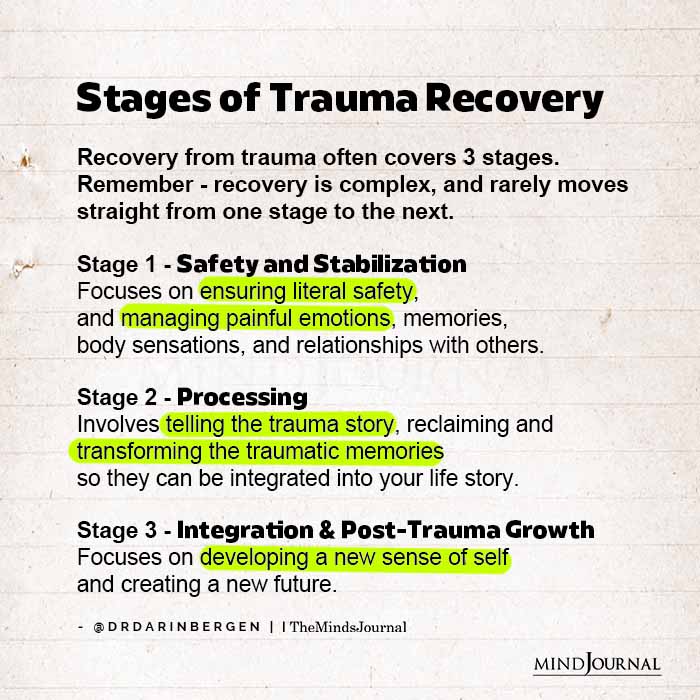
Materials are available for therapists, instructors, moms and dads, and caretakers. There are special areas on the demands of children in armed forces families and on the impact of natural catastrophes on kids's psychological health and wellness. Numerous injury survivors experience symptoms that, although they do not meet the diagnostic criteria for ASD or PTSD, however limit their ability to operate generally (e.g., control emotions, maintain constant and gratifying social and family members relationships, feature capably at a job, maintain a consistent pattern of abstinence in healing).

Latest Posts
From Automatic Responses to Mindful Communication through Therapy for Siblings
Understanding EMDR Therapy
Breaking Free from Calorie Counting